

The Impact of Roles on Communication During Gameplay
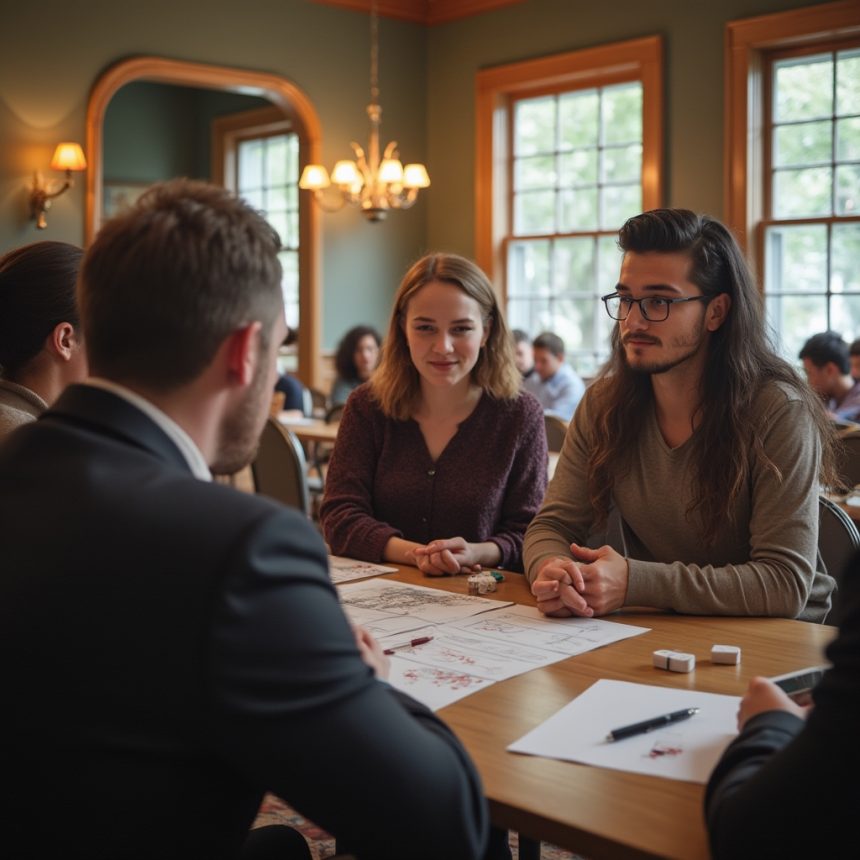
Role-playing games are a unique experience that allows players to connect with characters in fantasy worlds. During gameplay, each player’s role affects the way they communicate with each other and with other players. Different roles can lead to interesting dialogues, exciting moments, and puzzle solutions in different ways.
Roles like the general, the priest, the hero, and the kiss can influence communication between players in different ways. For example, a priest’s role can lead to a sense of descent and explanation among players, while a hero’s role may lead to critical development and more active cooperation among players.
In addition, roles in the game can improve the communication skills of the players. During gameplay, they need to be creative, make quick decisions, and speak clearly and efficiently to influence the situation and improve the results.
In summary, roles in role-playing games deeply influence communication between players. They can create special moments, solve puzzles, and improve the communication skills of players in a unique and fascinating way.
Means to Improve Communication During Gameplay
Effective communication is a vital component in role-playing games. Proper communication among players can lead to efficient teamwork, quick problem-solving, and overall improvement of the game experience. In an effort to improve communication during gameplay, various methods can be used:
- Use of advanced technological equipment: Communication tools like instant messaging applications or video software can assist in improving communication between players during missions or solving murder mysteries.
- Communication training: Training players for efficient communication through simulations and exercises that mimic real game situations can improve their ability to communicate effectively during gameplay.
- Promotion of emotional skills: Building emotional skills such as the ability to manage threats or cope with pressure can improve the ability to communicate effectively during gameplay.
- Collaboration: Creating a work environment where players can collaborate effectively and quickly share information can improve communication among players.
By using these methods and proper communication practices, it is possible to enhance communication processes in role-playing games and ensure an enjoyable and engaging gaming experience for all players.
Challenges and Common Mistakes in Communication in Role-Playing Games
In role-playing games, communication is central to the team’s success. When players face challenges and common mistakes in communication, they may hinder their ability to collaborate and achieve their goals. To avoid these pitfalls, it is important to be aware of common problems and solutions that can help improve your communication skills.
Open and honest communication can solve many conflicts in the workplace.
Rebecca Golan – Communications Manager
One of the common challenges in communication in role-playing games is the lack of relationship building. When players fail to establish strong relationships with their team members, it can lead to lack of understanding, inability to solve problems together, and failure to achieve common goals. To solve this problem, it is important to dedicate time to building social relationships and creating a sense of community within the team.
Another common mistake is the problem of active listening. When players do not listen effectively to the ideas and requirements of their team members, it can lead to misunderstanding and resistance in decision-making processes. To solve this problem, it is important to learn how to actively listen, ask questions, and ensure that messages are received properly.
Read More

In conclusion, to succeed in role-playing games, it is important to address the challenges and common mistakes in communication. Building strong relationships and active listening are just some of the techniques that will help you become an unstoppable team and achieve your goals efficiently and effectively.
The Impact of Non-Functional Communication on the Game
Communication is an important part of role-playing games, and often it can improve the overall experience of the players. However, it is important to note that non-functional communication, such as rough, rude, or unpleasant communication, can negatively affect the game and create an unpleasant environment for the players.
When non-functional communication occurs in the game, players may be less engaged, feel uncomfortable, and may affect their ability to play efficiently. This can lead to loss of motivation and reduce their influence on the game and player experience.
Active listening is an important part of the communication process.
Nathan Cohen – Project Manager
On the other hand, functional and pleasant communication can improve the overall experience of the players. Communication built on respect, normalcy, and cooperation can promote a sense of teamwork and have a positive impact on players’ ability to play and develop in the game.
Appreciating and honoring the team is part of effective communication in role-playing games.
Miri Shapira – Human Resources Manager
In conclusion, it is important to understand the impact of communication on role-playing games and ensure that game communication is functional, pleasant, and based on cooperation in order to improve the player experience and promote the game positively.
The Impact of Functional Communication on the Player and Team
When discussing game roles, it is important to understand the role of functional communication in role-playing games. Functional communication is the way players in a team exchange information and instructions during gameplay. In role-playing games, communication is central and critical to the team’s success.
Functional communication not only affects the player individually but also the team as a whole. When players can communicate efficiently and confidently, they receive the necessary information and can act as a unified team. Effective functional communication leads to improved performance and increased chances of victory.

In role-playing games, every role and position in the team is crucial and requires coordination and good communication. Players need to be aware of the field conditions, team needs, and their game style. The level of functional communication can influence the entire team, from players to coaches.
In conclusion, functional communication is paramount in role-playing games. The ability to communicate, understand, and share information clearly and efficiently is what will lead to personal success and better team performance. Every player and team need to excel in this area to achieve impressive results in the gaming world.