

1. Description and Analysis of Scenes of Tension and Risk in Role-Playing Games.
Scenes of tension and risk are an integral part of role-playing games, offering fascinating and exciting experiences for players. These scenes are created by crafting complex and difficult situations in which characters must face challenging and high-risk situations.
In role-playing games, scenes of tension and risk are primarily created through character conflicts, solving mysteries, and dealing with emergency situations. The player is required to make critical decisions in real-time, placing them in situations of danger and high pressure.
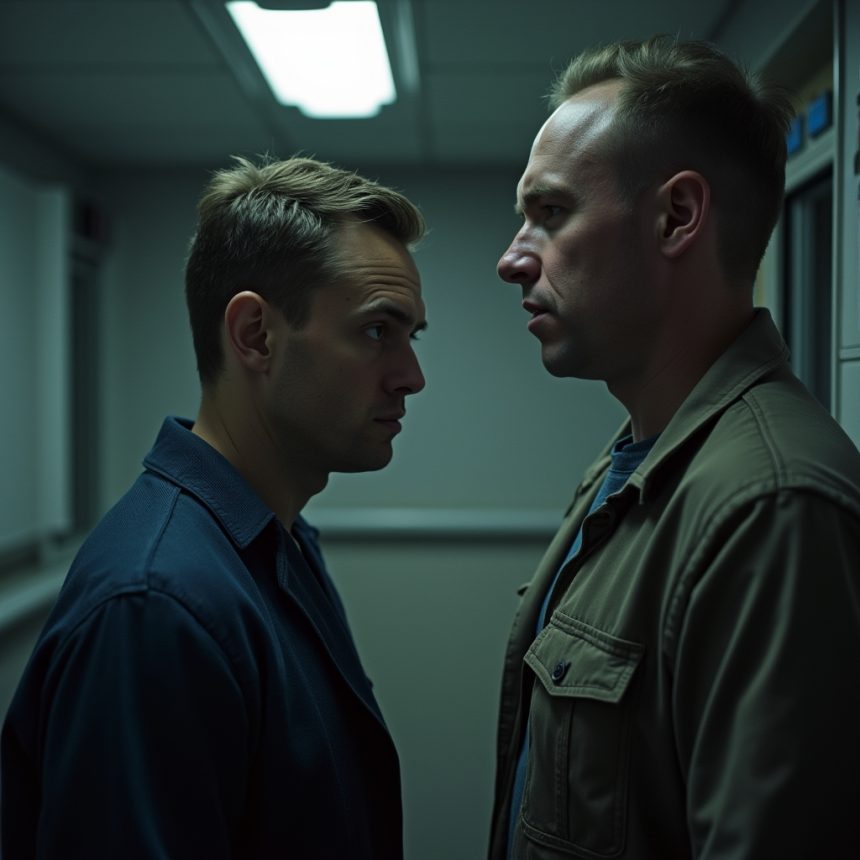
Scenes of tension and risk are professionally analyzed by an investigator and a prisoner. The investigator assesses the tension in the scene and tries to understand the reasons for its existence. When identified as a prisoner, they can offer solutions and strategies to resolve the situation.
When playing role-playing games, one must be prepared to take risks.
Daniela Glickman – Content Manager
At the end of the analysis process, the investigator and the prisoner may offer solutions and recommendations to the player to help them cope better with tense situations and risks in the game.
Comparison between Tension Scenes in Role-Playing Games and Tension Scenes in Movies and TV Series
In the complex world of role-playing games, players encounter controlled tension and risk scenes that allow them to deal with a wide variety of scenarios and situations. These scenes generally emphasize tension and secrecy, allowing players to showcase their dramatic abilities and artistic skills.
Compared to movies and TV series, tension scenes in role-playing games are prolonged and enriched in a different way. In role-playing games, players must make real-time decisions, act within a short time frame, and deal with the consequences of every action they take. This gives tension scenes in role-playing games a level of dynamism and tension not seen in movies and TV series.
Additionally, in role-playing games, there is more interactive gameplay, where players can choose their path and influence the final outcome of the story. This allows the gaming experience to be more unique and fascinating, focusing on the psychological processes and choices they make during the game.
The goal in role-playing games is to create a unique learning experience.
Yossi Cohen – Role-Playing Teacher
Ultimately, tension scenes in role-playing games provide a dynamic and captivating experience that combines the players’ abilities and artistic skills. The players’ success sometimes depends on the decisions they make in a short amount of time and their ability to deal with unexpected situations. All of this allows tension scenes in role-playing games to be captivating and thrilling, providing players with a unique and fascinating experience.
3. Description and Analysis of Popular Styles in Role-Playing Games and How They Impact Risk and Tension in the Game.
In role-playing games, there are several popular styles that influence risk and tension in the game. One of them is the controlled style, where players can play roles of prisoners and investigators. In the role of the prisoner, the main task is to escape from prison or avoid being caught, creating high risk and tension in the game. Additionally, the prisoner can be part of a larger plan and influence the game’s course.
In contrast, in the role of the investigator, the main task is to uncover the truth and solve the mysteries. The investigator faces slightly fewer risks, but the tension is still high as their tasks may be complex and difficult to solve. Furthermore, the investigator can be in a defensive position and be part of a story with inherent risks and tension.
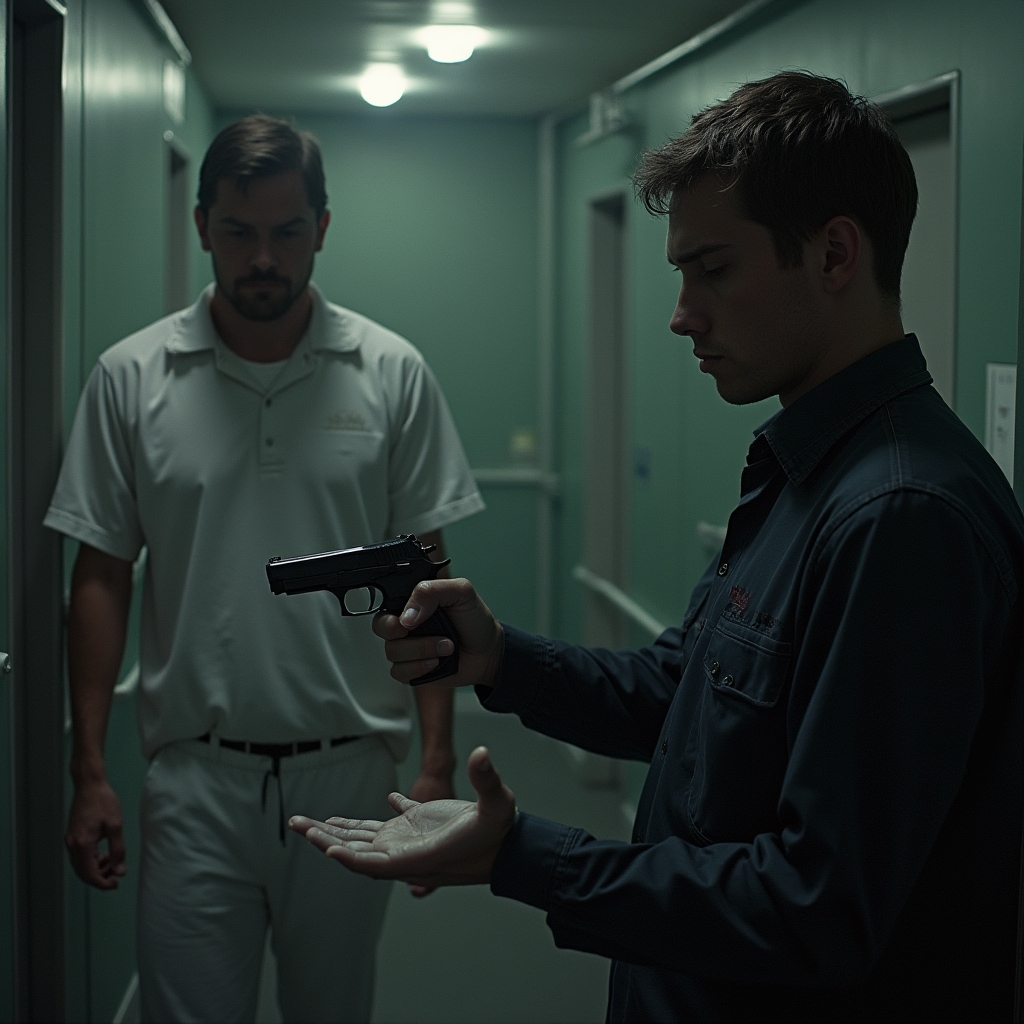
Overall, the popular styles in role-playing games have a unique influence on risk and tension in the game. They provide players with fascinating and challenging experiences that enhance the gaming experience and evoke new feelings.
Discussion on the Differences between Risk Management in Role-Playing Games and Real Life and How It Affects the Gaming Experience
Scenes of controlled tension and risk are at the center of most role-playing games. The gaming experience is mainly based on the gap between real life and the game world, and the ability to manage risk and tension in a secure and challenging way.
In role-playing games, investigators and prisoners face situations that raise questions about the challenges and risks they are willing to take. Prisoners must make important decisions when confronting investigators, and role-players need to deal with extreme situations while maintaining their real lives.
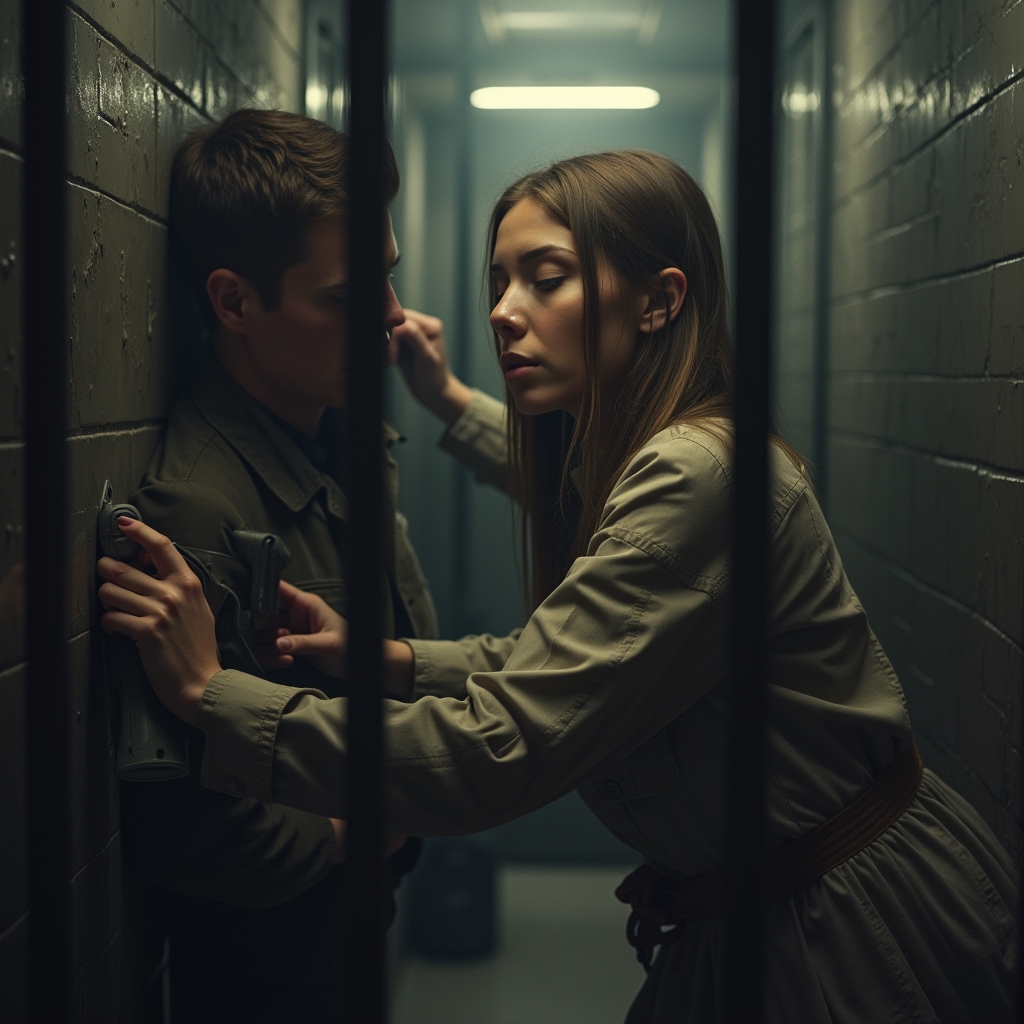
The gap between risk management in role-playing games and real life affects the gaming experience significantly. It is not always possible to explore and make decisions freely and without boundaries, so it is important to understand the risks on a real level in order to enhance the gaming experience and increase the feelings of tension and challenge.
Ultimately, risk management in role-playing games is an integral part of the gaming experience. By integrating the gaps between the game and real life and managing risks responsibly and challengingly, we can enjoy a more fascinating and exciting gaming experience.
Tips and Recommendations for Players on How to Create and Manage Fascinating Tension and Risk Scenes in Role-Playing Games
In role-playing games, controlled tension and risk scenes are an important part of the gaming experience. How can players create and manage these scenes in an engaging and successful way? Here are some tips and recommendations to help players create and lead tension and risk scenes professionally:

1. Creating a Complex Background: To create tension scenes, it is important to create a complex background that contributes to the desired atmosphere. The more players connect with the background and their roles, the easier it will be for them to create fascinating scenes.
2. Use of Dialogue: Dialogue among players is a fundamental tool for creating tension scenes. Through dialogue, emotions, thoughts, and content can be conveyed to enhance the scene.
Read More

3. Creating Risk: To create fascinating scenes, it is important to create appropriate risk. Risk adds a dramatic effect to the scene and adds an additional dimension of tension.
4. Teamwork Skills: Teamwork is a vital component in creating tension scenes. It is important for players to work together and support each other to create a captivating and commendable scene.
When playing role-playing games, it is important to be flexible and accept changes.
Rina Levy – Educational Games Manager
5. Theatricality and Psychology: Knowledge in theatrical and psychological fields can improve the ability to create tension and risk scenes in role-playing games. These skills can help players cope with the challenges they face.
Finally, remember that creating tension and risk scenes in role-playing games is a creative process that requires skills and perseverance. Following these tips and recommendations, you can be sure that the gaming experience will be more fascinating and exciting.