


1. Creating a Connection with Characters in the Game
Establishing a connection with the characters in the game is one of the most important foundations in the world of role-playing games. This allows for a rich and intriguing gaming experience, enabling players to engage in imaginary worlds and explore different roles. When the connection with the characters in the game happens organically and naturally, it encourages players to reflect on themselves and various subjects in a new and interesting way.
To create a connection with the characters in the game, it is important to start with understanding the characters themselves. To succeed in creating a genuine and meaningful connection with the characters, you must understand their background, emotions, goals, and expectations. Pay attention to the dialogues they are trying to convey, the tone in which they speak, and how they appear in the game world.
The characters in the game need to be unique and interesting so that the players feel intrigued and aspire to get to know them better. Create a rich and diverse background for each character so that players can easily and authentically connect with them. It is important to offer players opportunities to integrate into the world of the characters, discover secrets, develop relationships, and influence the outcomes in the game.
At the end of the game, it is important to appreciate the connection created with the characters and understand its impact on the player. The deeper and more genuine the connection, the more the player can feel present in the world of the characters and appreciate the significance of the roles they serve in the game. Ultimately, the connection with the characters in the game is central and vital to the gaming experience and the player’s personal development.
2. Using Body Language and Physical Activities
When playing role-playing games, it is important to understand that not only the words we say influence the overall dialogue in the game. Our body language also influences the interaction and communication with other players.
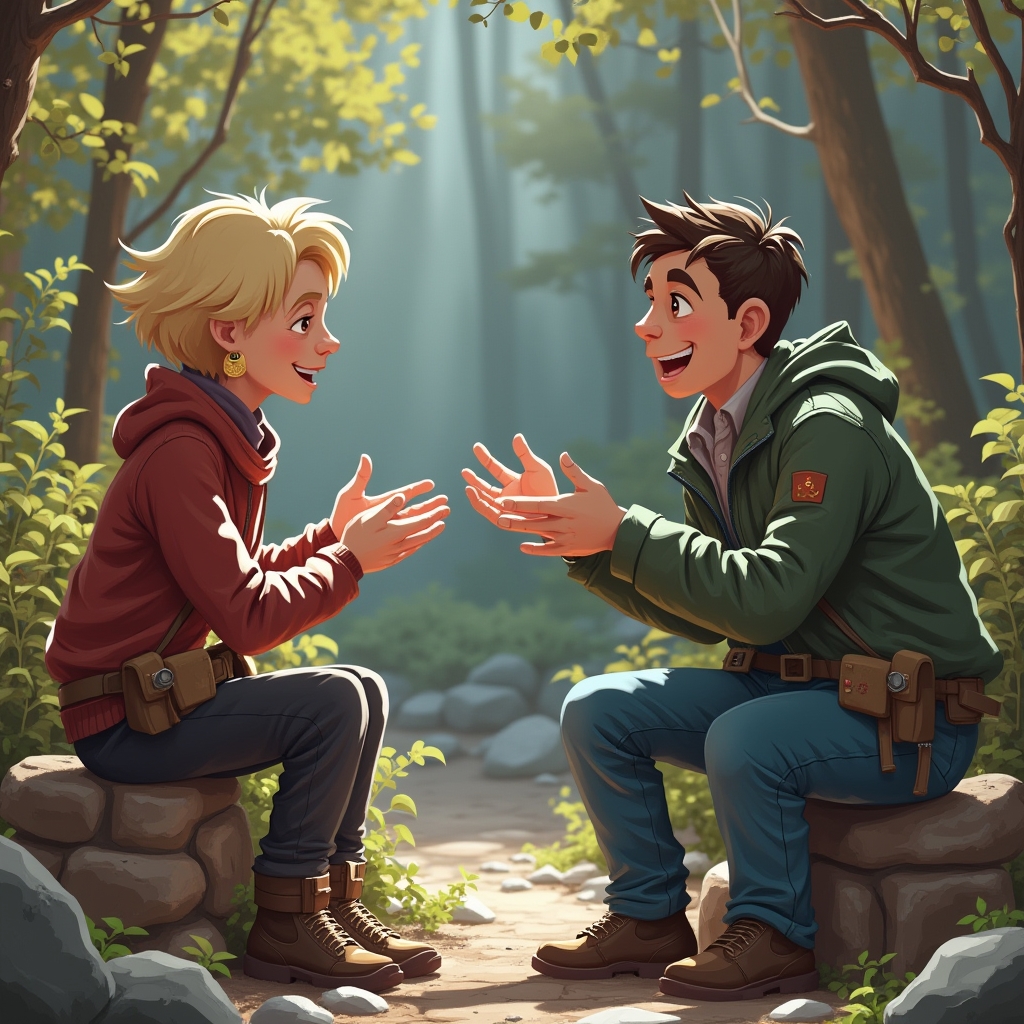
Use your talent to read the body language of the other players and react accordingly. Pay attention to your own body – behave openly and approachably, and strive to maintain a pleasant and accepting personality.
In games that involve physical activities like running, jumping, or combat, invite other players to participate and join you. Such activities can promote closeness and bond among players and create a natural and optimal dialogue.

Remember, when you play, complementing words with lively and impressive body language may lead to a more natural and genuine dialogue, enriching your gaming experience.
3. Understanding the Background and History of Characters
When you start playing role-playing games, it is important to understand the background and history of the characters you are playing with. This may influence the dialogues you build and how you relate to them during the game.
For example, if a character is young and wise, it is advisable to treat them in a way that reflects their independence and thoughtfulness. On the other hand, if a character is older and insecure, you may need to address them in a way that encourages and strengthens them.
Another important aspect is to understand the history of the characters. Past events, experiences, and challenges they have faced can influence how they behave and express themselves. Be sensitive to these topics and consider them when building dialogues in the game.
To listen in a game is to play better.
David Cohen – Game Guide
Ultimately, understanding the background and history of the characters is an important and central part of creating natural dialogues in role-playing games. Consider these details to create a fascinating and excellent experience for yourself and your fellow players.
Using Voice and Gaze to Build Connection
When participating in role-playing games, there are certain tools that can be used to create natural and engaging dialogues with other players. One of them is the use of voice and gaze.
When you speak with a loud voice and positive expressions, you can convey your desires and emotions clearly and tangibly. This may elicit a positive response from other players and create a stronger bond between you and the group.
In addition, gazes, especially eye contact, can control non-verbal communication and help you express your feelings efficiently. When you gaze deeply and focus on the other player, it may convey a deep understanding and sensitivity to what they are saying.
When dialogue is open, the game opens too.
Maya Shapira – Game Team Manager
In conclusion, using voice and gaze can improve your ability to create natural and interesting dialogues during the game. Remember to be positive, open, and sensitive to the feelings of other players and see how your communication affects your gaming experience as a team.
Creating Dilemmas and Inner Dialogues with Characters
When playing role-playing games, it is important to create dilemmas and inner dialogues with your characters to give them depth and complexity. Dilemmas give characters unique qualities and features, allowing them to develop and overcome challenges. Additionally, inner dialogue allows us to understand the emotional and mental backgrounds of the characters and align their actions with their inner desires.
To create interesting dilemmas and fascinating inner dialogues, you must consider the different situations your characters may face. You can put them in situations where they have to choose between different options and bring them to situations where they must deal with different internal values and contents.

Using dilemmas and inner dialogue can enhance the dramatic action in the game and provide it with additional depth. When characters face complex dilemmas, they are required to think about their actions and make decisions that can influence their future. This allows players to step into their characters’ shoes and experience their journey authentically and fascinatingly.
In conclusion, creating dilemmas and inner dialogues with characters in role-playing games is an excellent way to give characters depth and complexity and enrich the gaming experience. Invest time and thought in creating them and bring them to life in an interesting and fascinating way.
6. Managing Critical Scenes and Conflict Resolution During the Game
Dialogue is an integral part of the gaming process and serves as a key tool for building connections with other players and opening paths to resolve conflicts that may arise during the game. Managing critical scenes and conflict resolution during the game requires the ability to deal with complex situations and find creative solutions in real-time.
When conflicts arise during the game, it is important to remember that the main goal is to find constructive solutions that will help continue the game positively. You can use open and creative dialogue with fellow players to develop solutions together.

During the game, it is important to focus on our ability to listen to the opinions and emotions of other players and offer solutions that meet their needs. Use open-ended questions and expressions of support to stimulate the dialogue and advance the dialogue during the game.
Additionally, it is important to be flexible and adapt to the various situations that may arise during the game. You can use the unique abilities of each player to find innovative and creative solutions to conflicts that may arise.
Dialogues in the game are the root of growth and development.
Ariel Cohen – Game Development Manager
At the end of the game, it is important to conduct a summary and examine the dialogical process that occurred during the game. You can learn from the experiences and improve your ability to manage critical scenes and resolve conflicts in a constructive manner in future games.
In conclusion, managing critical scenes and conflict resolution during the game is an important part of the gaming process and helps create a positive and interesting gaming experience for all players. Through open, creative, and efficient dialogue, you can improve your ability to build social connections and develop solutions to conflicts during the game.