


1. Tools for Creating Interesting Characters
When starting to write a script for a role-playing game, it is important to create interesting characters that will help you develop a captivating story. To create these characters, there are key tools that can help you:
1. Background Creation: Start by creating a detailed background for each character. It’s important to know the age, gender, history, goals, and desires of the character. This way, you can create rich and intriguing characters.
2. Language and Style: The choice of language and style of the characters influences how they behave and act. It’s important to be specific about this.

3. Unique Traits: To create interesting characters, it’s important to give them unique traits that set them apart from the rest. This could be anything, like a stigma or a special escape option.
By using these tools and creating interesting characters, you can write a script that reflects your professionalism and creativity and contributes to the gaming experience of the players.
2. Techniques for Creating an Exciting Plot
When starting to write a script for a role-playing game, it is important to understand that creating an exciting plot is central to the game’s success. Here are some techniques that can help you create an exciting plot:
1. Creating Interesting Characters: Characters with rich backgrounds, deep emotions, and clear goals can drive the plot forward and create tension and twists in the game.
The role of the writer is to create player characters that are deep and interesting.
Nathaniel Cohen – Scriptwriter
2. Creating Connections Between Characters: Connections between characters can lead to fascinating conflicts and enrich the plot. Create previous stories or shared backgrounds that contribute to the tension between the characters.
3. Creating Twists and Developments: Add unexpected, dramatic, and annoying situations that can change the direction of the plot and create additional tension.
4. Maintain the right pace and psychology: When there is tension between characters, it is important to develop relationships and situations in a way that affects the characters seriously and realistically.
The combination of feelings, desires, and goals of each character will lead to an interesting development in the script.
Shiri Cohen – Theater Director
5. Raise Questions: Create twists and connections with deep meanings that can raise questions in the participants’ minds and lead to significant changes in the plot.
By using these techniques and creating an exciting plot, you can create a role-playing game that leaves participants calm and satisfied, contributing to an impressive and enjoyable experience.
3. Using Effective Dialogues
When you start writing the script for your role-playing game, it is important to remember that dialogues are the most important tool at your disposal. Through dialogues, you can convey important information to the players, develop their characters, and present the world they live in. To create effective dialogues, you need to focus on a few key points.
First, make sure your dialogues reflect your characters. Each character should speak differently, with different speech styles and words that can be arrogant, kind, sharp, and more. This gives each character a unique and identifiable personality and depth.
Writing a role-playing script is like building a puzzle – it’s important to place each piece in the right place.
Abigail Cohen – Scriptwriter
Second, pay attention to the time and place where the dialogue takes place. Characters should speak naturally and not feel like they are receiving commands from the author. Try to incorporate appropriate segments into dialogues, using words and expressions that suit the game world and each character in particular.
In conclusion, effective dialogues are key to creating an engaging and exciting role-playing game. With them, you can convey your story in an interesting way and create impressive experiences for your players. Furthermore, good dialogues can lead to the development of deep and complex characters that provide an extra dimension to the game and the story. Enjoy the process and good luck!
Creating Exciting and Emotion-Inducing Scenes
When you want to create an exciting and emotion-inducing scene in a role-playing game script, there are a few things to consider. First and foremost, you need to create a suitable and captivating atmosphere that will help players and viewers focus and connect to the moment.

To create an exciting scene, you need to understand the roles of the characters in the scene and create a deep and captivating dialogue between them. Allow each character to express their emotions artistically and truthfully, and your role as a writer is to write the dialogue in a way that makes the scene more serious and captivating.
In addition, you need to consider the use of the characters’ theater in the scene. Will they use their bodies to express their emotions, or will they use words only? How will they use different parts of the stage to create an exciting and emotion-inducing atmosphere?
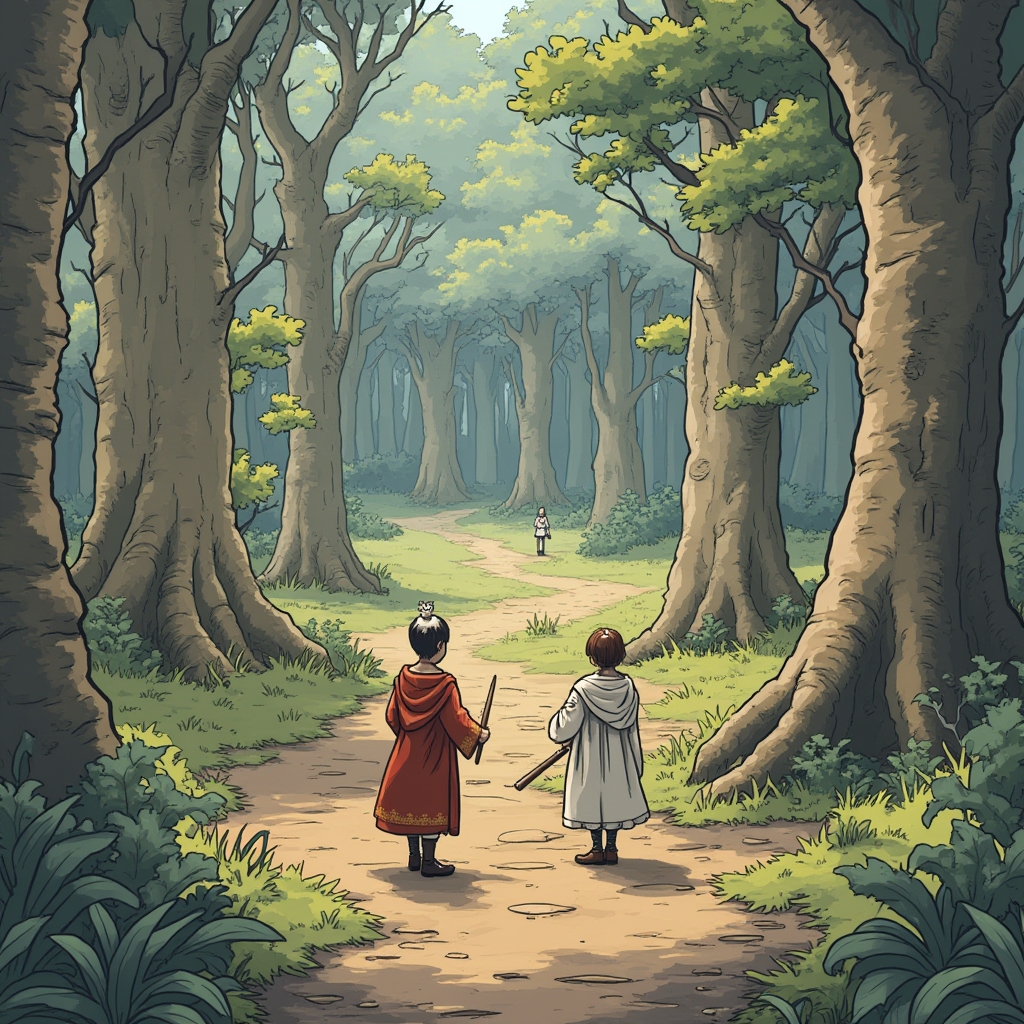
In conclusion, when you want to create an exciting and emotion-inducing scene in a role-playing game script, you need to focus on creating a suitable atmosphere, serious entertainments, and deep dialogues. This way, you can create a scene that leaves the players and viewers with a fascinating and deep experience.
5. How to Create Scenes that Elicit Feelings and Commitment from Players
When planning scenarios for a role-playing game, it is important to remember that the main goal is to create an interesting and captivating gaming experience for the players. Scenarios that evoke feelings and commitment from the players can lead to more exciting and correct gaming experiences. How can such scenarios be created?
One way to create scenarios that evoke feelings is by creating extreme situations or dilemmas that require players to make tough decisions and deal with complex situations. When players face challenges and difficulties, they begin to feel more involved and committed to the game’s plot.
To create scenarios that evoke feelings, it is important to focus on developing interesting and fascinating characters with backgrounds and specific details. Players need to feel a connection with the characters they portray, and feel their emotions and thoughts at every stage of the game.
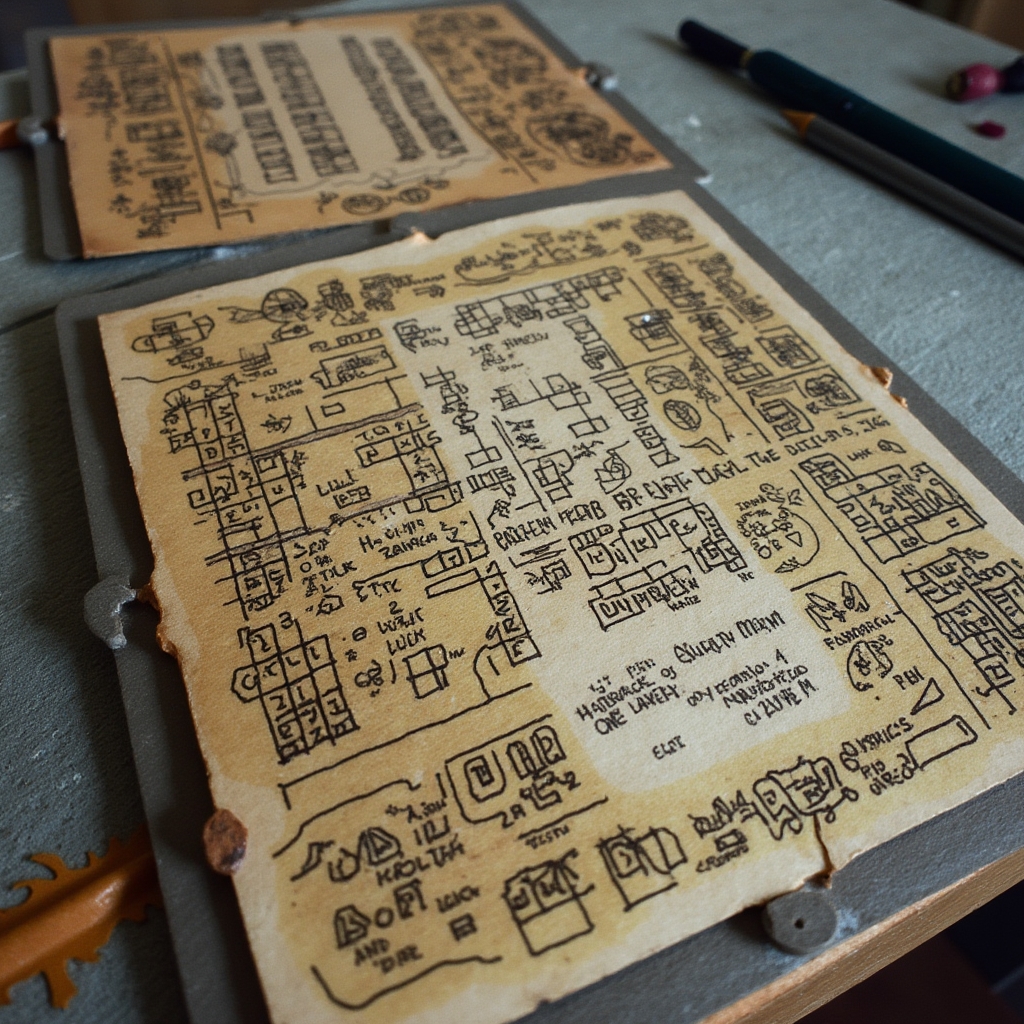
Additionally, to create scenarios that evoke feelings, it is important to use the theater of play, interesting dialogues, and dramatic ups and downs that can convey the message you want to convey to the players efficiently and captivatingly.
After completing the process of creating scenarios, it is important to review the scenarios and ensure that they are interesting, captivating, and evoke feelings as you intended. Only scenarios that successfully evoke feelings and commitment from the players can lead to exciting and engaging gaming experiences.